

Vending Redefined, Convenience Guaranteed.
JAPAN VENDING MACHINE HISTORY
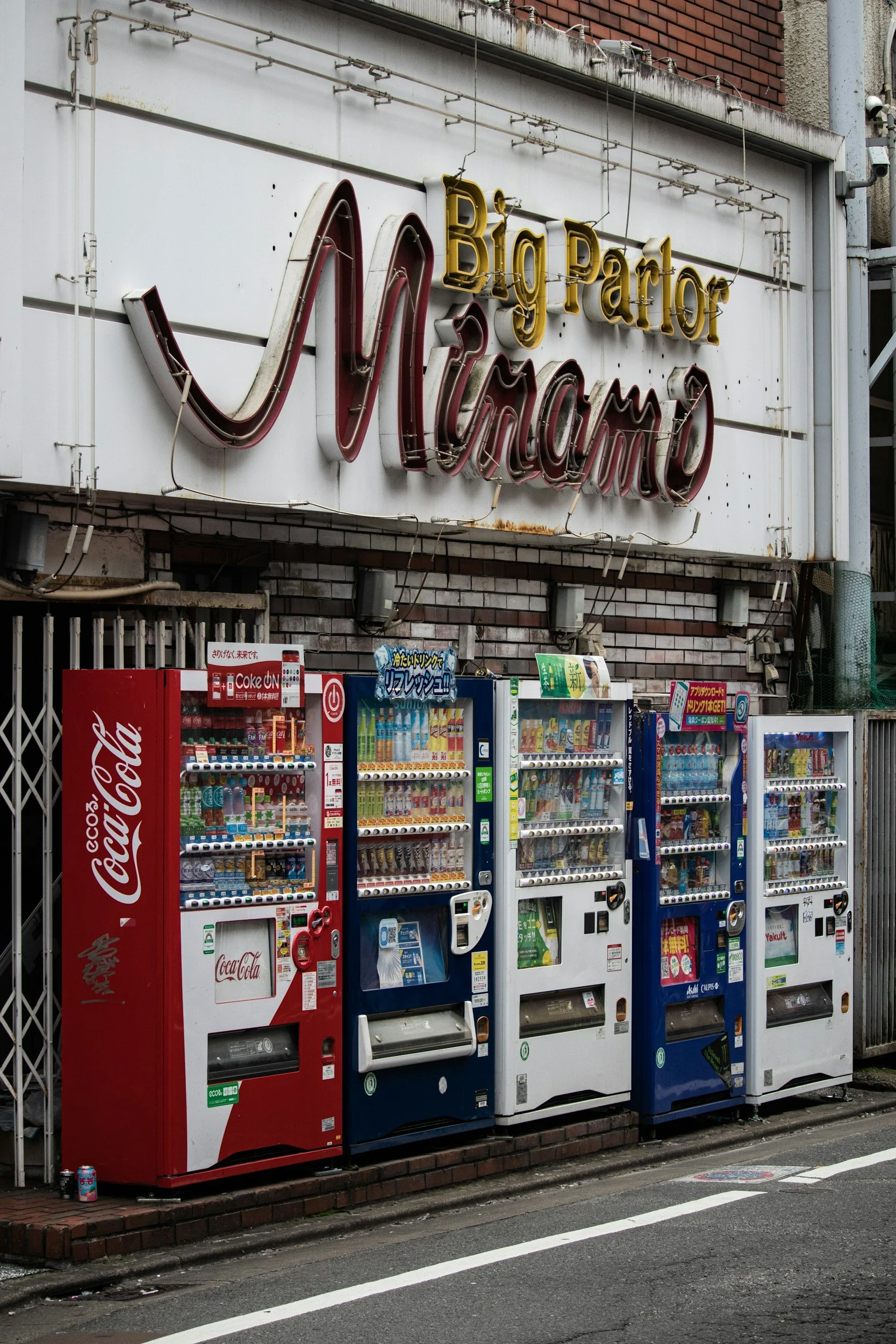
The history of Japanese vending machines dates back to 1888 when Takashichi Tawaraya invented the first tobacco vending machine. However, the concept of vending machines itself originated in ancient Egypt around 215 BC, with the "holy water vending machine" described in the book "Pneumatika" by Heron . Japan's love affair with vending machines began in the 1960s when AmericanbeveragemanufacturersenteredtheJapanesemarket.The first hot and cold beverage vending machines were introduced in the 1970s, and by the 1990s, Japan had over 5.4 million vending machines. Today, Japan has more than 4 million vending machines, with beverages accounting for over 80% of sales. However, the industry is evolving, with a growing demand for non-beverage vending machines, such as those dispensing food, tickets, and even medicines .
Japanese Mission & Vision in Vending Machines
-
Convenience
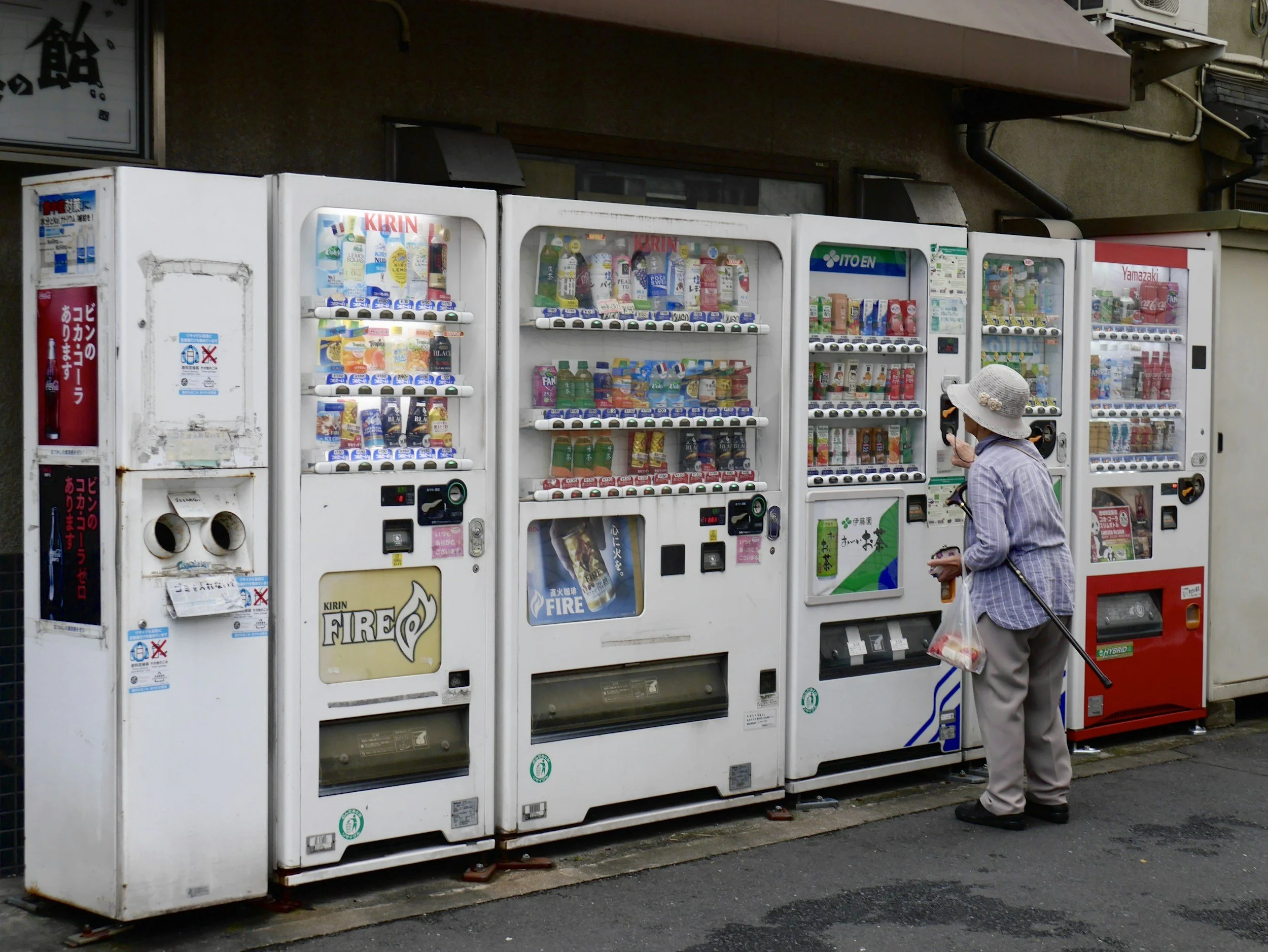
Japanese vending machines are designed to provide 24/7 access to beverages, food, and essential goods—anytime, anywhere. This around-the-clock availability reduces the need for face-to-face interactions, supports faster transactions, and proved especially valuable in promoting safety and social distancing during recent years. Their presence in train stations, malls, offices, and even rural areas highlights Japan’s commitment to serving people wherever they are.
-
Innovation
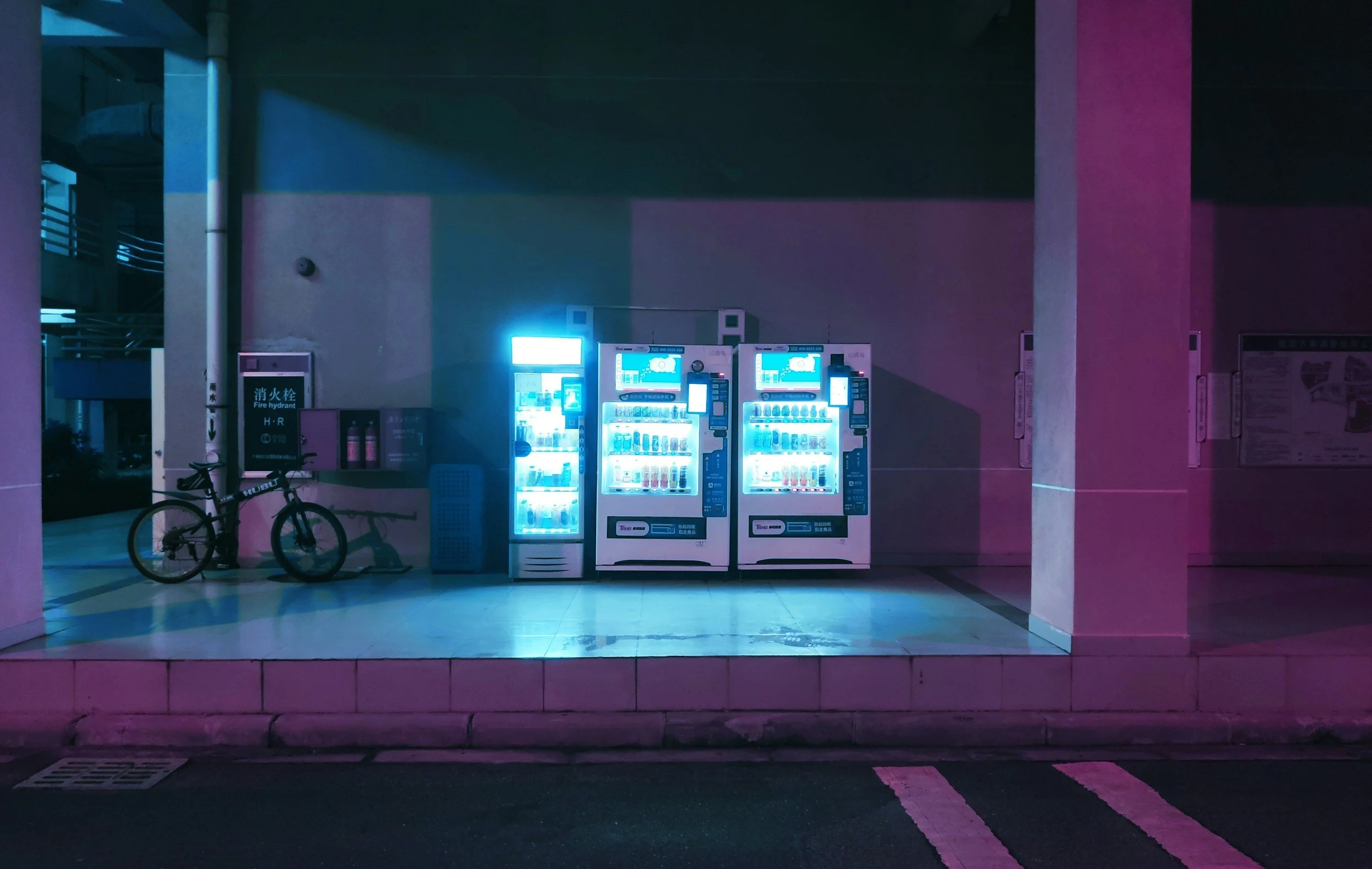
Innovation drives Japan’s vending culture. Modern machines incorporate advanced technologies such as AI-powered applications, facial recognition systems, cashless and mobile payments, and real-time iCloud monitoring. These features streamline operations, enhance security, increase product visibility, and significantly elevate the customer experience. Japan’s dedication to seamless automation continues to push the global standard for smart vending solutions.
-
Customer Satisfaction
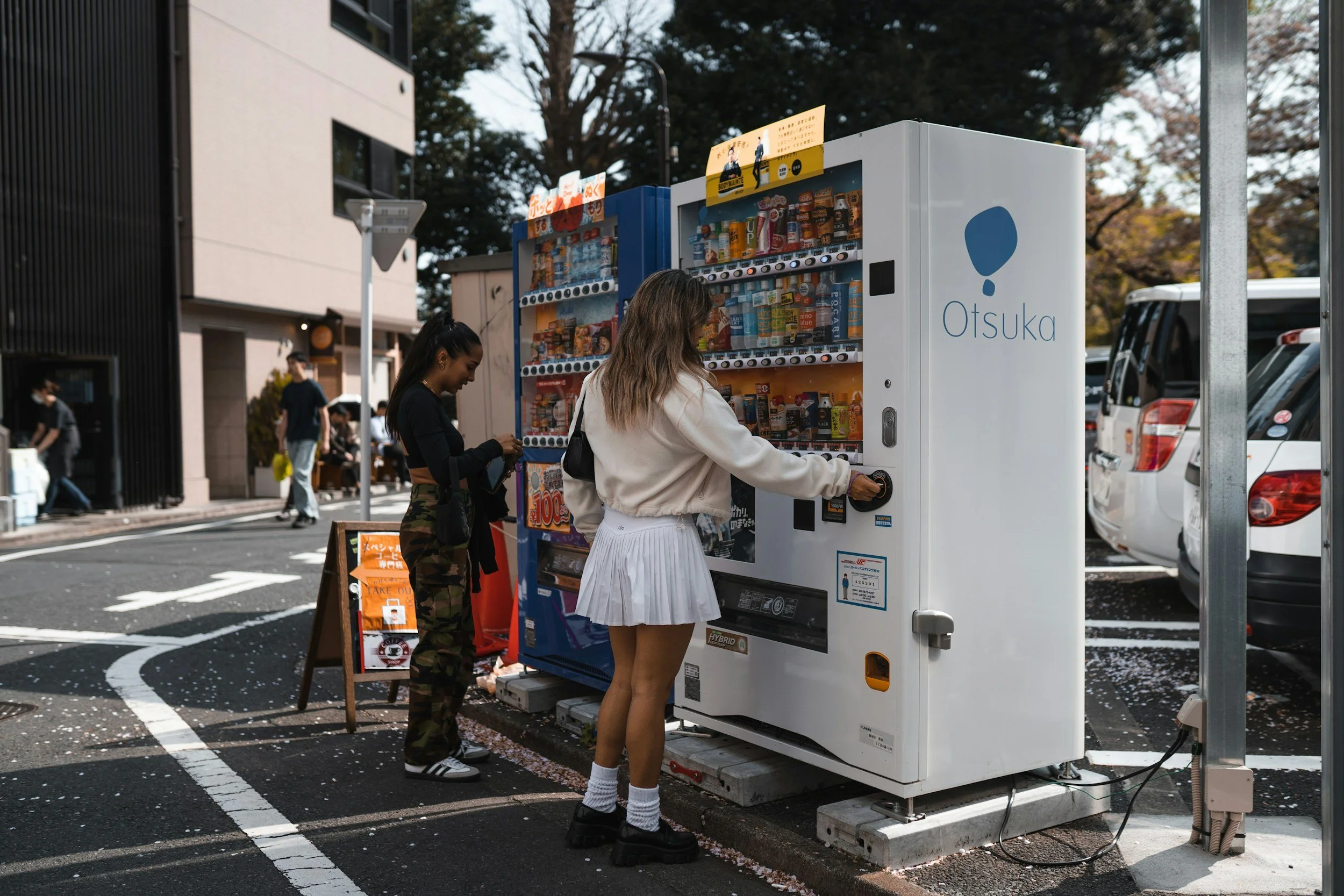
Japanese vending machines offer an impressive variety of products ranging from everyday beverages to premium, niche, and even luxury items. This diversity ensures customers can easily and efficiently access what they need—whether it’s a cold drink, a warm meal, or specialty goods. Reliability, cleanliness, product freshness, and machine performance are also key pillars that maintain customer trust and satisfaction.